10 places · Florence
The Best Museums and Galleries in Florence
Florence's museums hold the core of Renaissance art: Botticelli and Leonardo at the Uffizi, Michelangelo's David at the Accademia, Donatello's bronzes at the Bargello and Fra Angelico's frescoes in the cells of San Marco. The Uffizi sells named tickets that can be bought ahead online, and the Medici Chapels admit visitors by reservation only. Smaller collections such as Casa Buonarroti, Museo Horne and the Museo Galileo make good second-day visits once the major galleries are done.
Compare at a glance
| Place | Area |
|---|---|
| Uffizi Gallery (Galleria degli Uffizi) | Duomo & Centro |
| Galleria dell'Accademia | San Lorenzo & San Marco |
| Bargello Museum (Museo Nazionale del Bargello) | Duomo & Centro |
| Palazzo Pitti | Oltrarno |
| Museo di San Marco | San Lorenzo & San Marco |
| Medici Chapels (Cappelle Medicee) | San Lorenzo & San Marco |
| Museo Galileo | Duomo & Centro |
| Palazzo Strozzi | Duomo & Centro |
| Museo Horne | Santa Croce |
| Casa Buonarroti | Santa Croce |
-
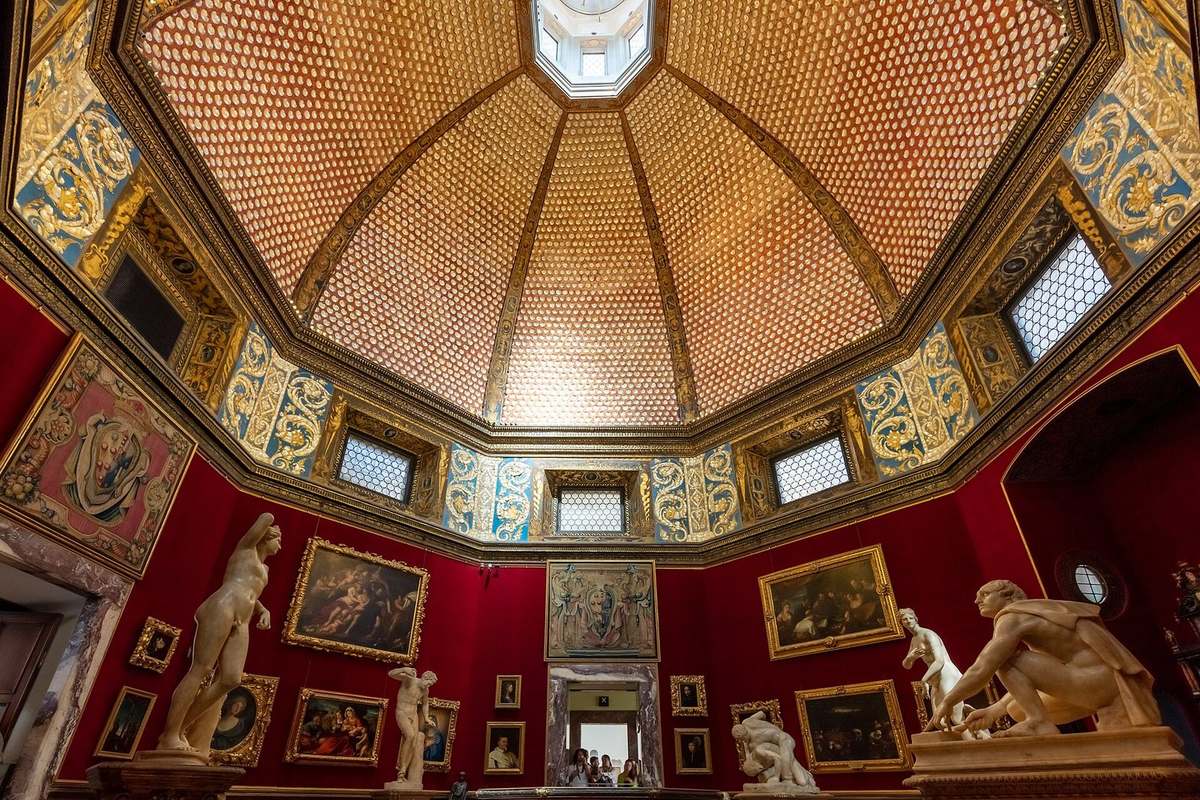
The Tribuna, the Uffizi's octagonal treasure room Photo: Diego Delso, Wikimedia Commons (CC BY-SA 4.0) 1 Uffizi Gallery (Galleria degli Uffizi)
Duomo & Centro
Giorgio Vasari designed the Uffizi for Cosimo I de' Medici as offices for Florence's magistracies and guilds, hence the name, and the gallery fills the first and second floors of the building raised between 1560 and 1580. Read the full guide to Uffizi Gallery (Galleria degli Uffizi) →
-
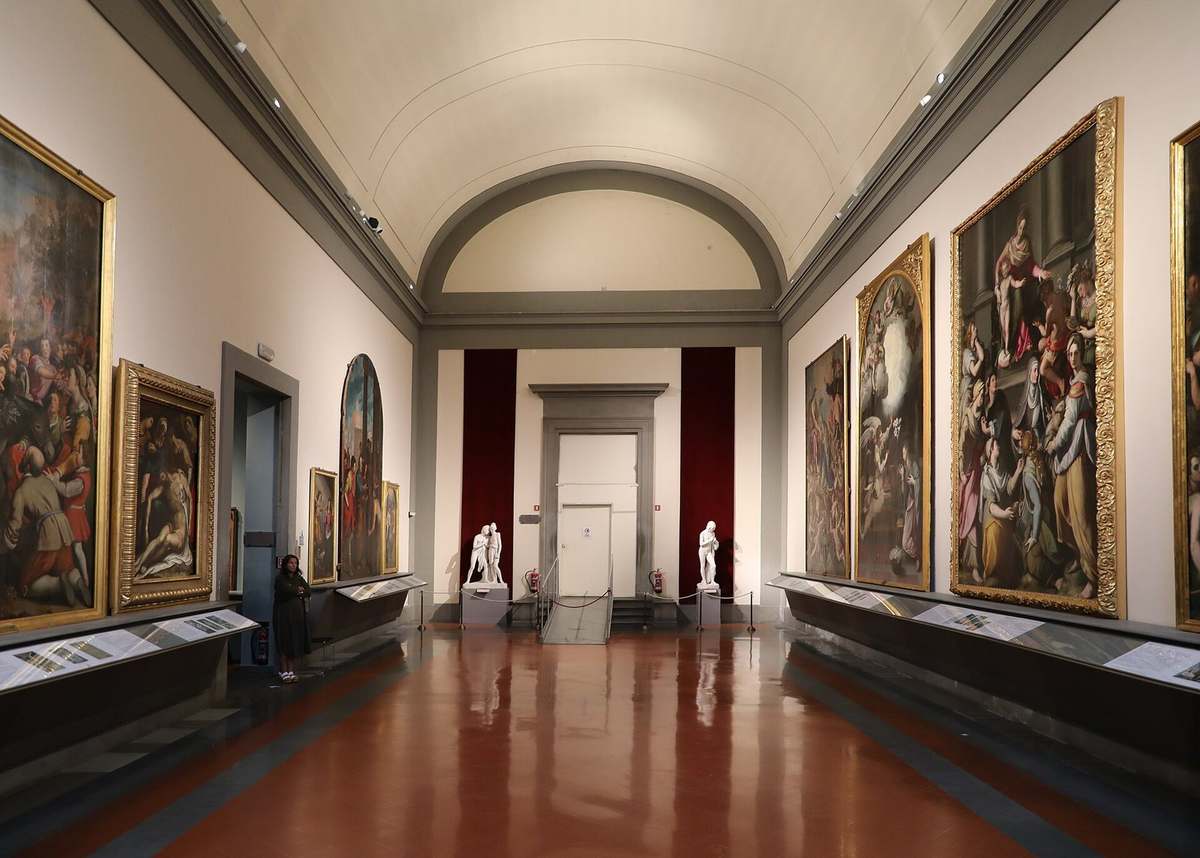
Painting gallery inside the Galleria dell'Accademia Photo: Francesco Bini, Wikimedia Commons (CC BY-SA 4.0) 2 Galleria dell'Accademia
San Lorenzo & San Marco
Founded in 1784 by Grand Duke Pietro Leopoldo, the Accademia has held Michelangelo's original David since 1873, when the statue was moved here from Piazza della Signoria. Read the full guide to Galleria dell'Accademia →
-
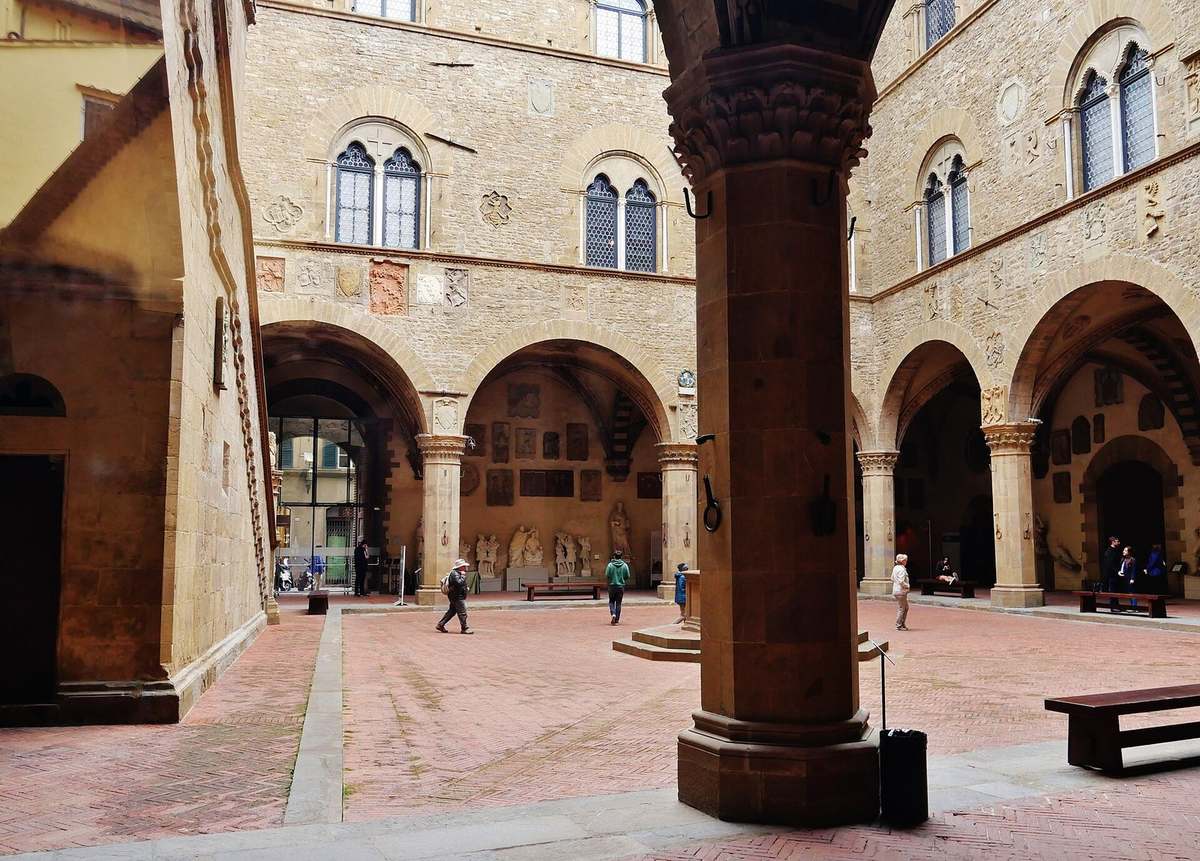
The courtyard of the Bargello Museum Photo: Zairon, Wikimedia Commons (CC BY 4.0) 3 Bargello Museum (Museo Nazionale del Bargello)
Duomo & Centro
The Bargello occupies the oldest public building in Florence, founded in 1255 as the seat of the Podestà, the city's chief magistrate; from the later 1500s it housed the head of police, the bargello, and served as a prison. Read the full guide to Bargello Museum (Museo Nazionale del Bargello) →
-
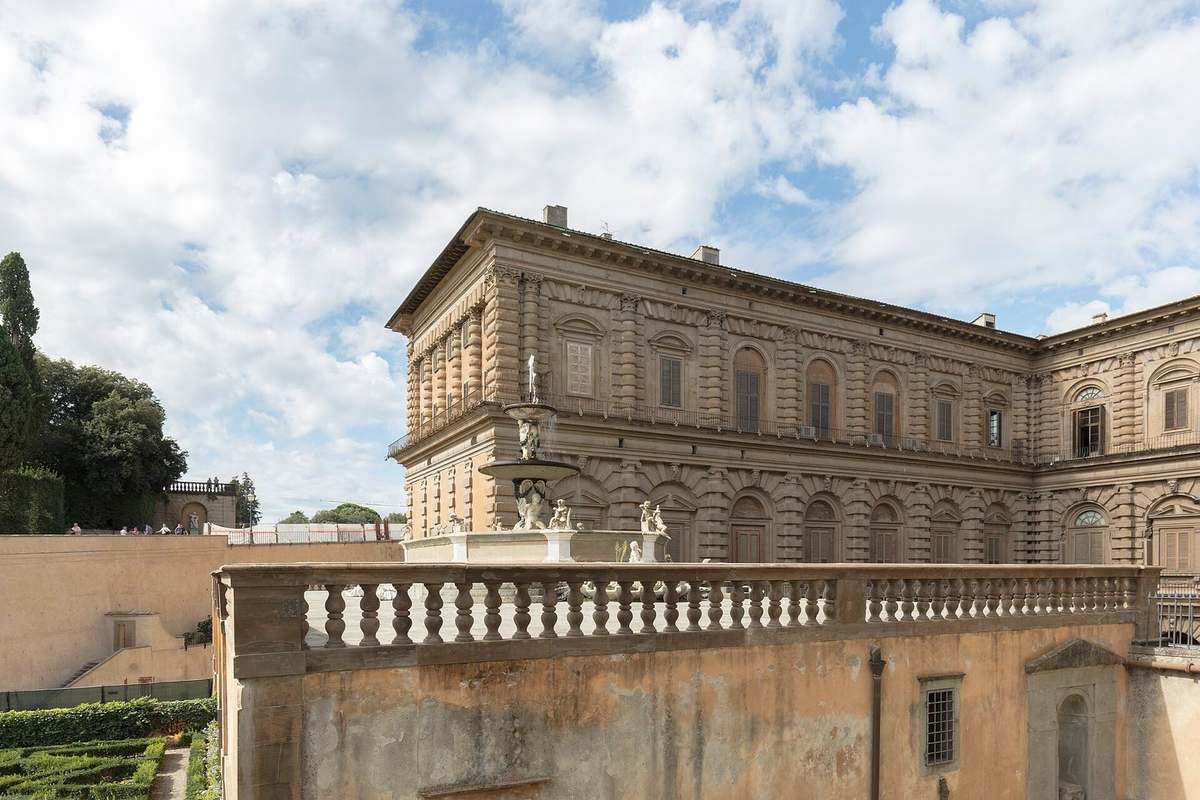
Palazzo Pitti seen from the Boboli Gardens Photo: Diego Delso, Wikimedia Commons (CC BY-SA 4.0) 4 Palazzo Pitti
Oltrarno
The banker Luca Pitti began this palace in the mid-1400s, and in 1550 it was bought as the new grand-ducal residence of Cosimo I de' Medici and Eleonora of Toledo. Read the full guide to Palazzo Pitti →
-
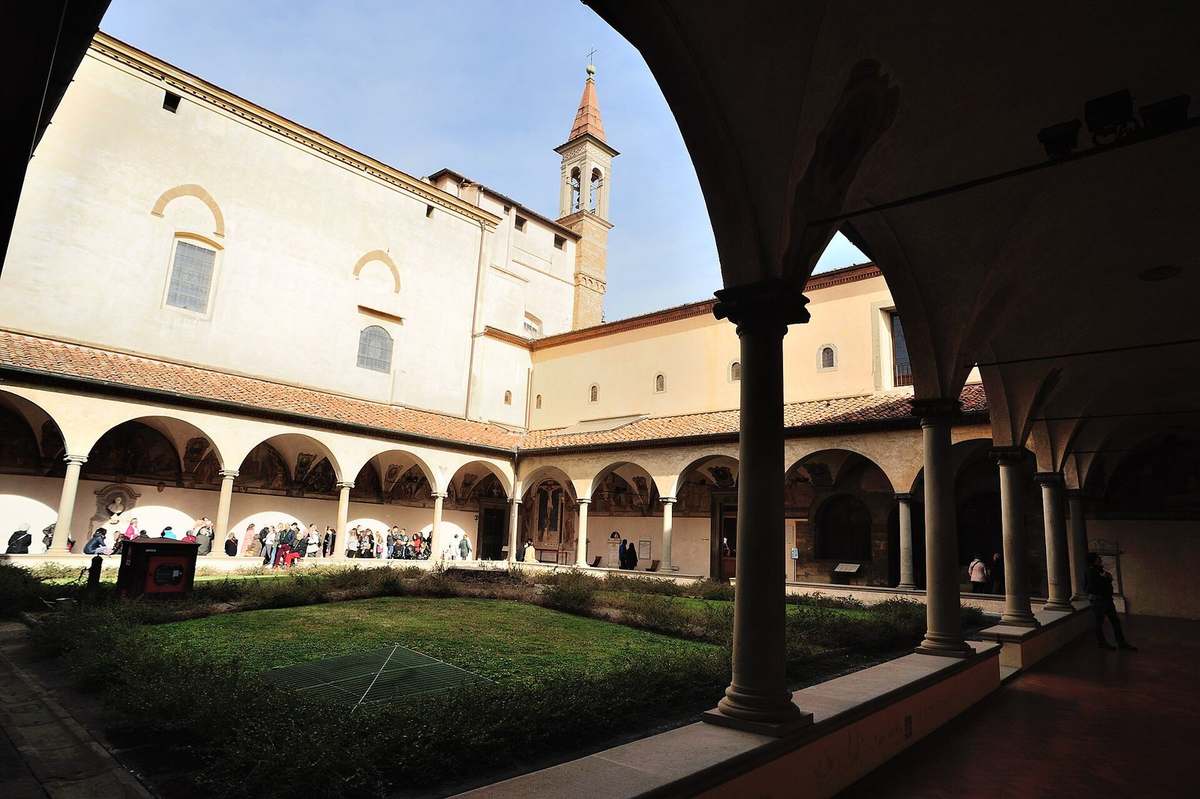
The cloister of the former convent of San Marco Photo: Vsatinet, Wikimedia Commons (CC BY-SA 4.0) 5 Museo di San Marco
San Lorenzo & San Marco
Michelozzo rebuilt this Dominican convent between 1436 and 1446 at the request of Cosimo the Elder, and it reopened as a museum in 1869. Read the full guide to Museo di San Marco →
-
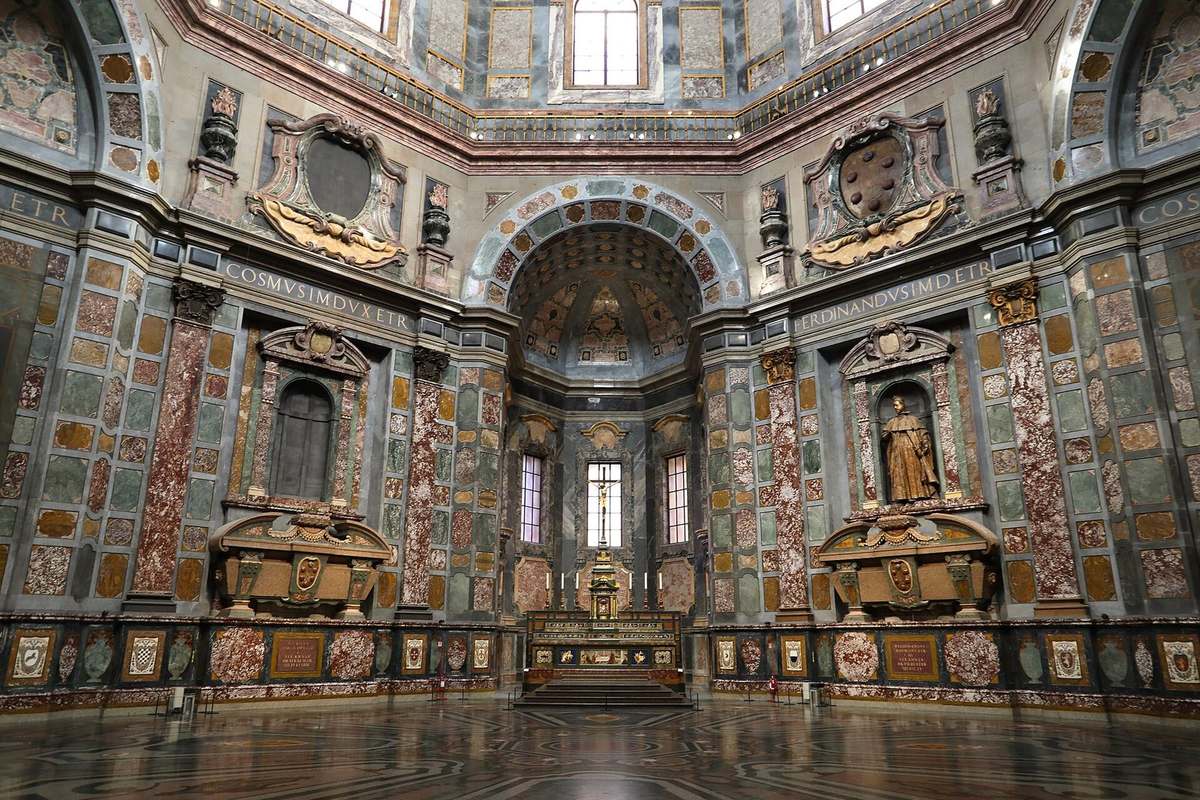
The Chapel of the Princes in the Medici Chapels Photo: Francesco Bini, Wikimedia Commons (CC BY-SA 4.0) 6 Medici Chapels (Cappelle Medicee)
San Lorenzo & San Marco
The burial place of the Medici at the Basilica of San Lorenzo became a state museum in 1869. Read the full guide to Medici Chapels (Cappelle Medicee) →
-
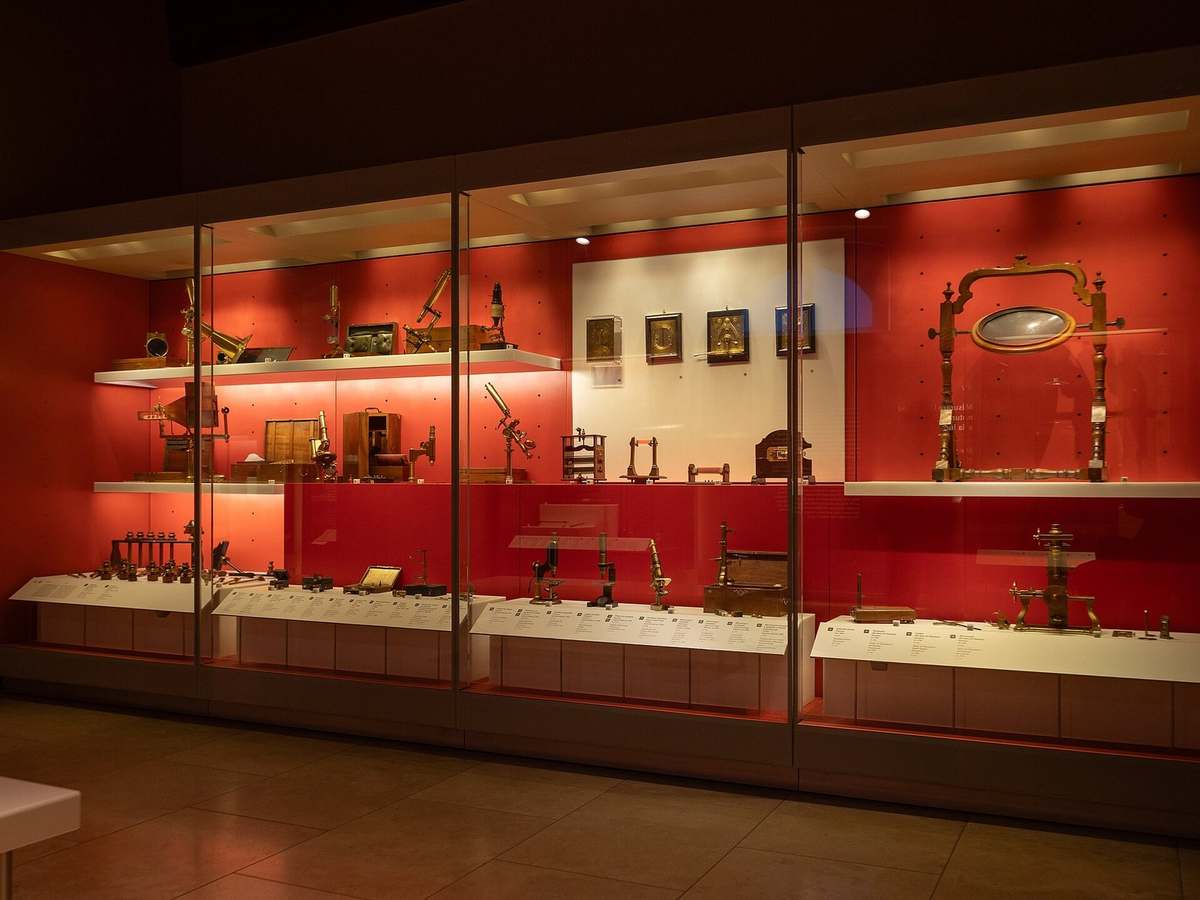
Historic scientific instruments on display at the Museo Galileo Photo: C messier, Wikimedia Commons (CC BY 4.0) 7 Museo Galileo
Duomo & Centro
This museum of the history of science sits on the Arno beside the Uffizi, in Piazza dei Giudici, and reopened under its current name in June 2010; it was formerly the Istituto e Museo di Storia della Scienza. Read the full guide to Museo Galileo →
-
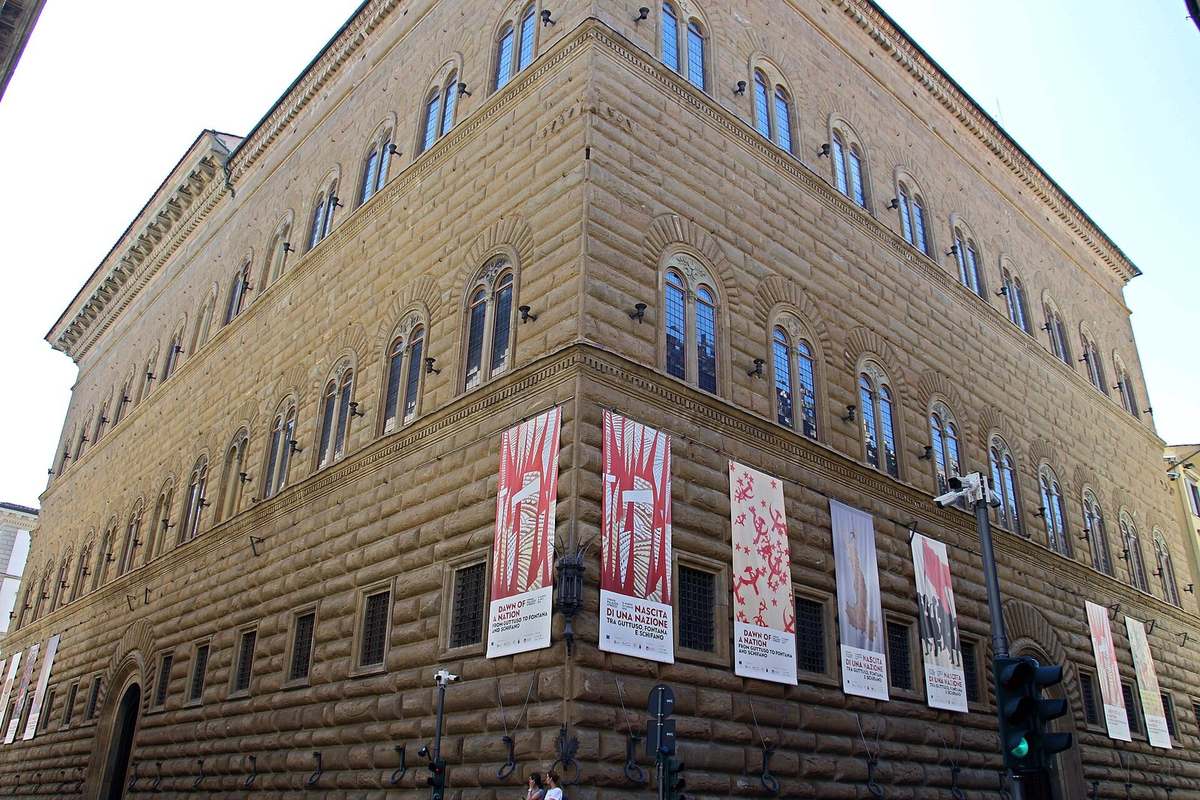
Palazzo Strozzi's rusticated façade with exhibition banners Photo: Fred Romero from Paris, France, Wikimedia Commons (CC BY 2.0) 8 Palazzo Strozzi
Duomo & Centro
The banker Filippo Strozzi the Elder had this palace begun in 1489 by Benedetto da Maiano, and Simone del Pollaiolo, known as Il Cronaca, directed the work until 1504, leaving it unfinished. Read the full guide to Palazzo Strozzi →
-
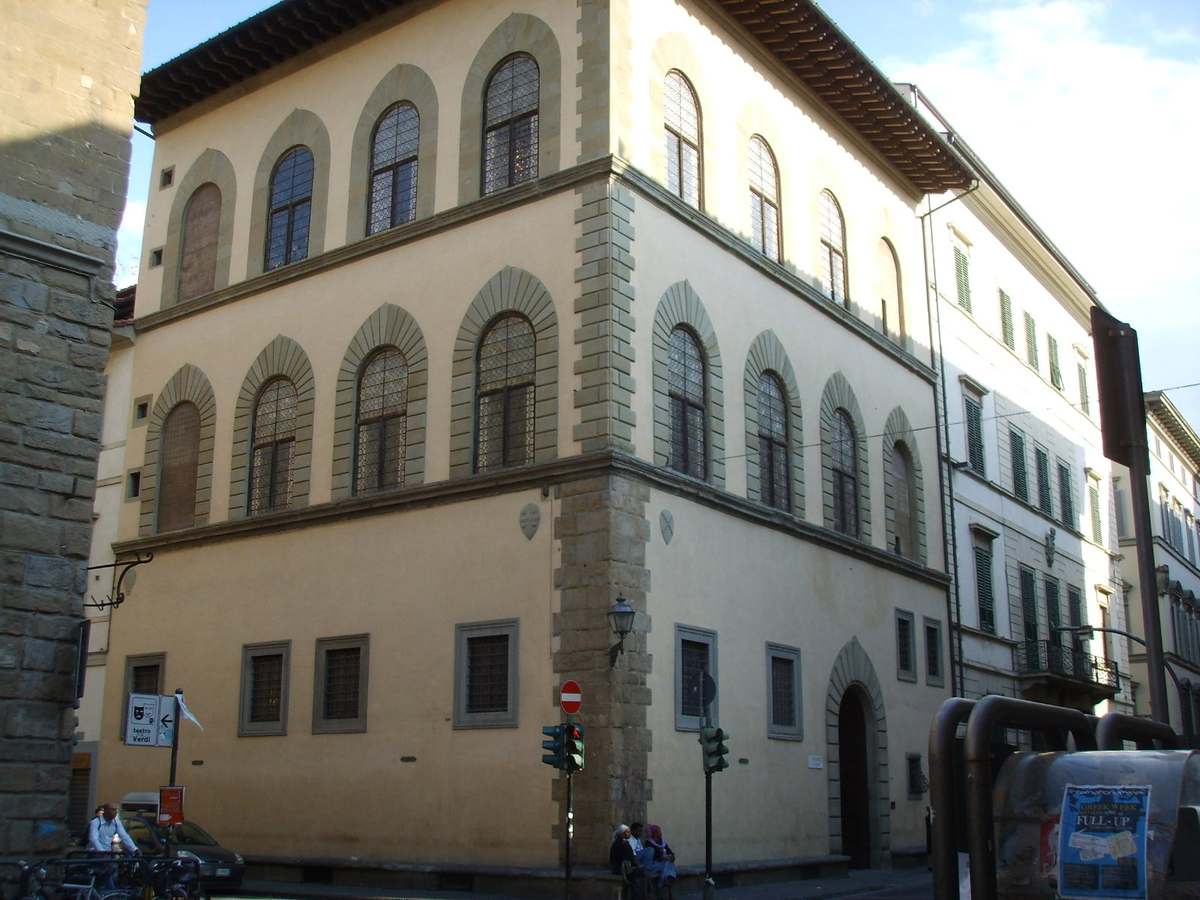
Palazzo Corsi, home of the Museo Horne, on Via de' Benci Photo: sailko, Wikimedia Commons (CC BY 2.5) 9 Museo Horne
Santa Croce
The English architect and art historian Herbert Percy Horne bought the Palazzo Corsi on Via de' Benci in 1911 to house his collection of early Renaissance art, and willed both the palace and its contents to the Italian state on condition that they become a museum. Read the full guide to Museo Horne →
-
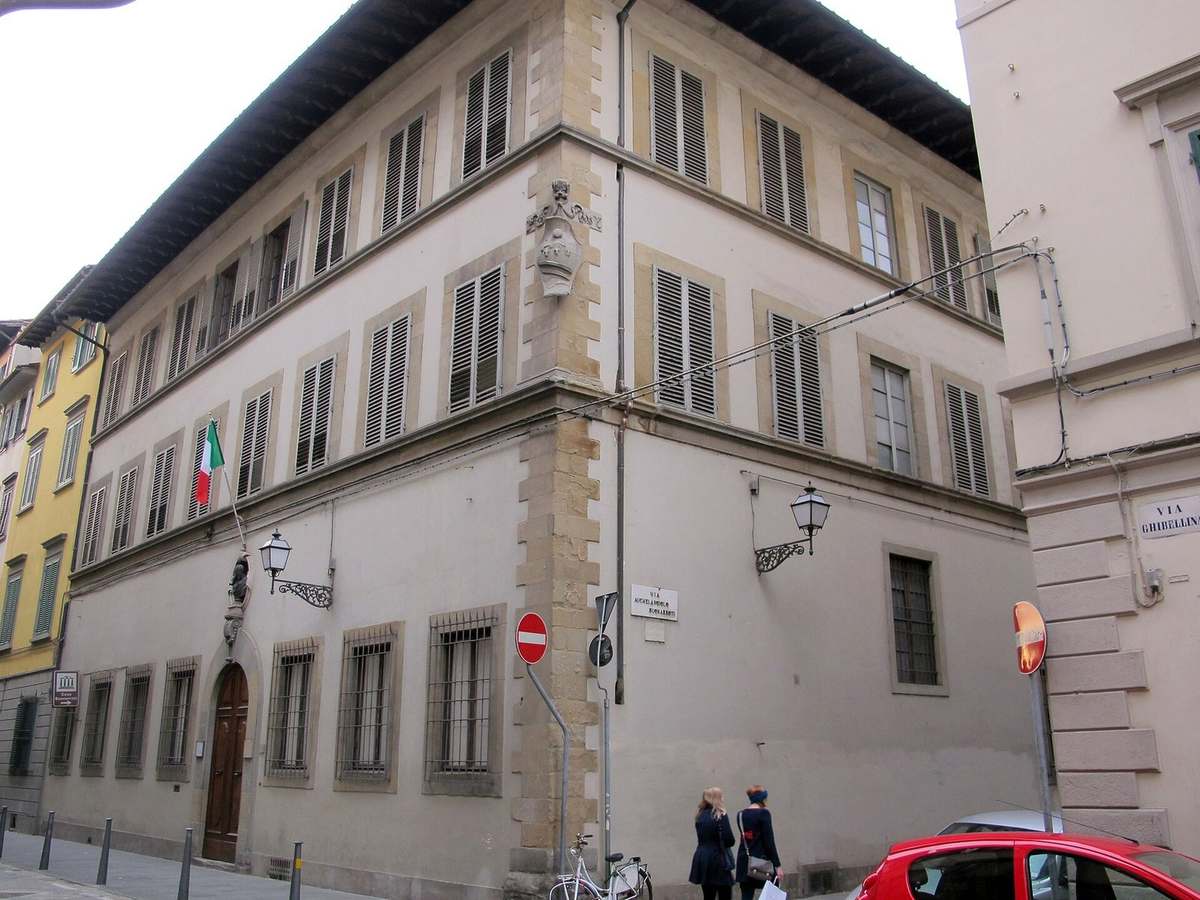
Casa Buonarroti on Via Ghibellina Photo: sailko, Wikimedia Commons (CC BY-SA 3.0) 10 Casa Buonarroti
Santa Croce
Michelangelo bought a group of adjoining houses on Via Ghibellina, and his great-nephew, Michelangelo Buonarroti the Younger, turned the property into a 17th-century palace with gallery rooms celebrating the artist. Read the full guide to Casa Buonarroti →


