7 places · Florence
The Best Food Markets & Historic Food Spots in Florence
Florence's two great 19th-century market halls, both designed by Giuseppe Mengoni, still feed the city: the Mercato Centrale in San Lorenzo and the smaller Sant'Ambrogio Market east of Santa Croce. Around them you'll find the street-food tradition of lampredotto kiosks and the wine windows once used by noble families to sell from their cellars. Two long-running institutions complete the list: Vivoli, which has made gelato since 1932, and Caffè Gilli, traced back to 1733.
Compare at a glance
| Place | Area |
|---|---|
| Mercato Centrale | San Lorenzo & San Marco |
| Sant'Ambrogio Market (Mercato di Sant'Ambrogio) | Santa Croce |
| San Lorenzo Market | San Lorenzo & San Marco |
| Wine Windows (Buchette del Vino) | Duomo & Centro |
| Lampredotto Kiosks | Duomo & Centro |
| Vivoli (Gelateria Vivoli) | Santa Croce |
| Caffè Gilli | Duomo & Centro |
-
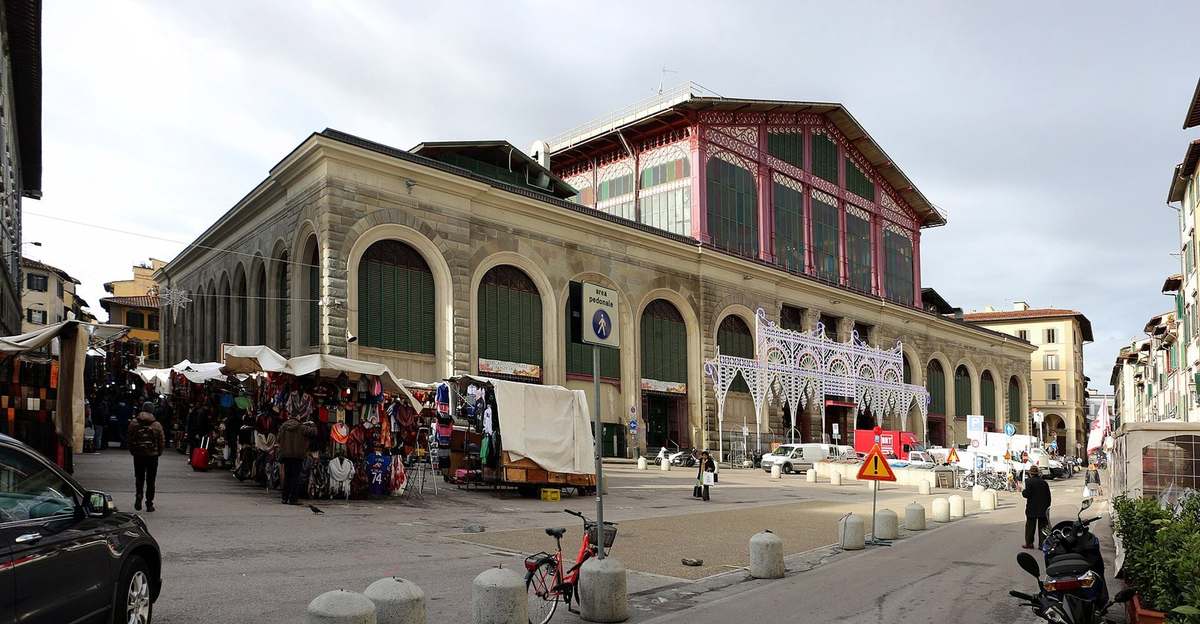
Mengoni's Mercato Centrale in the San Lorenzo district Photo: Sailko, Wikimedia Commons (CC BY 3.0) 1 Mercato Centrale
San Lorenzo & San Marco
Giuseppe Mengoni, architect of Milan's Galleria Vittorio Emanuele II, built Florence's main covered market between 1870 and 1874, drawing on the iron-and-glass Halles of Paris; it opened in 1874 with an international agricultural exhibition. Read the full guide to Mercato Centrale →
-
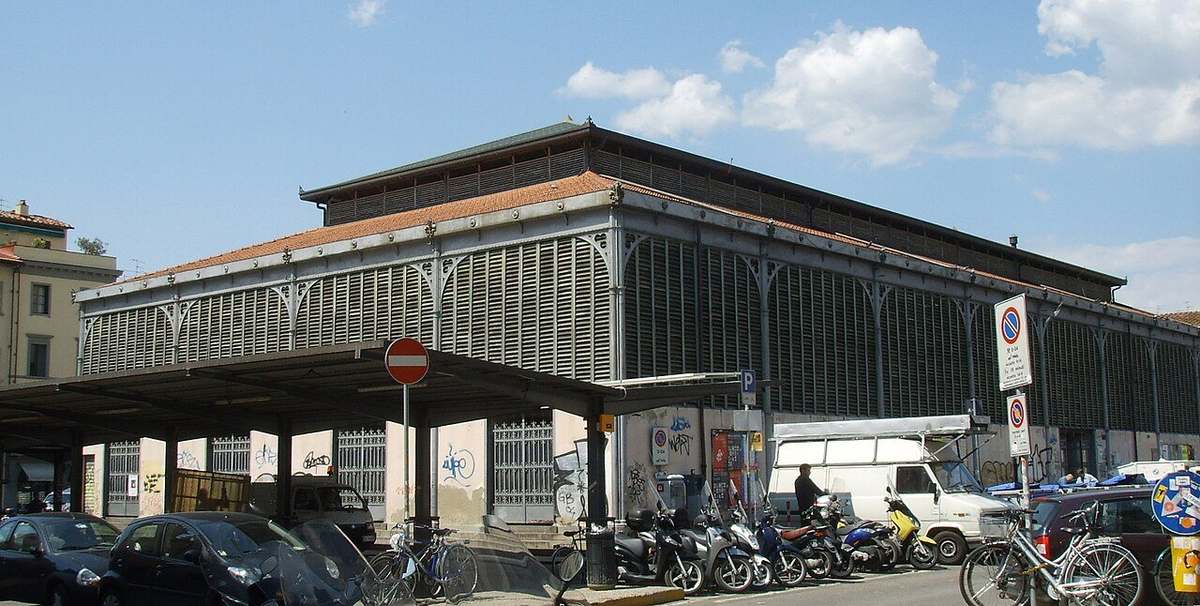
The 1873 market hall of Sant'Ambrogio on Piazza Ghiberti Photo: sailko, Wikimedia Commons (CC BY 2.5) 2 Sant'Ambrogio Market (Mercato di Sant'Ambrogio)
Santa Croce — Sant'Ambrogio
Giuseppe Mengoni, who also designed the Mercato Centrale, built this smaller cast-iron and glass pavilion on Piazza Ghiberti, inaugurated in 1873, and it is considered the oldest of the city's historic markets. Read the full guide to Sant'Ambrogio Market (Mercato di Sant'Ambrogio) →
-
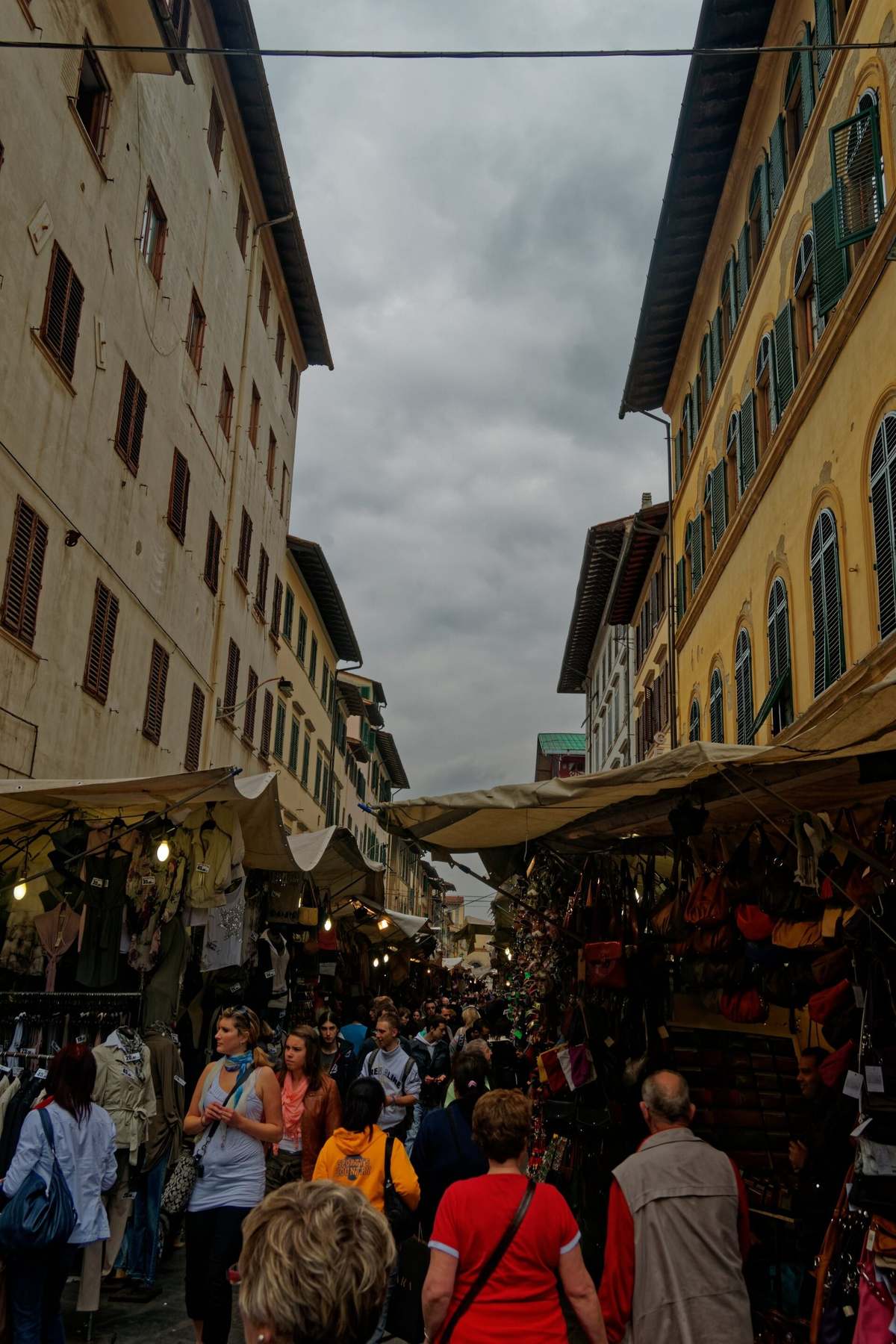
Market stalls on Via dell'Ariento, San Lorenzo Market Photo: Txllxt TxllxT, Wikimedia Commons (CC BY-SA 4.0) 3 San Lorenzo Market
San Lorenzo & San Marco
The outdoor stalls of San Lorenzo fill the streets around the Mercato Centrale: Piazza del Mercato Centrale, Via dell'Ariento, Via Sant'Antonino and Via Panicale. Read the full guide to San Lorenzo Market →
-
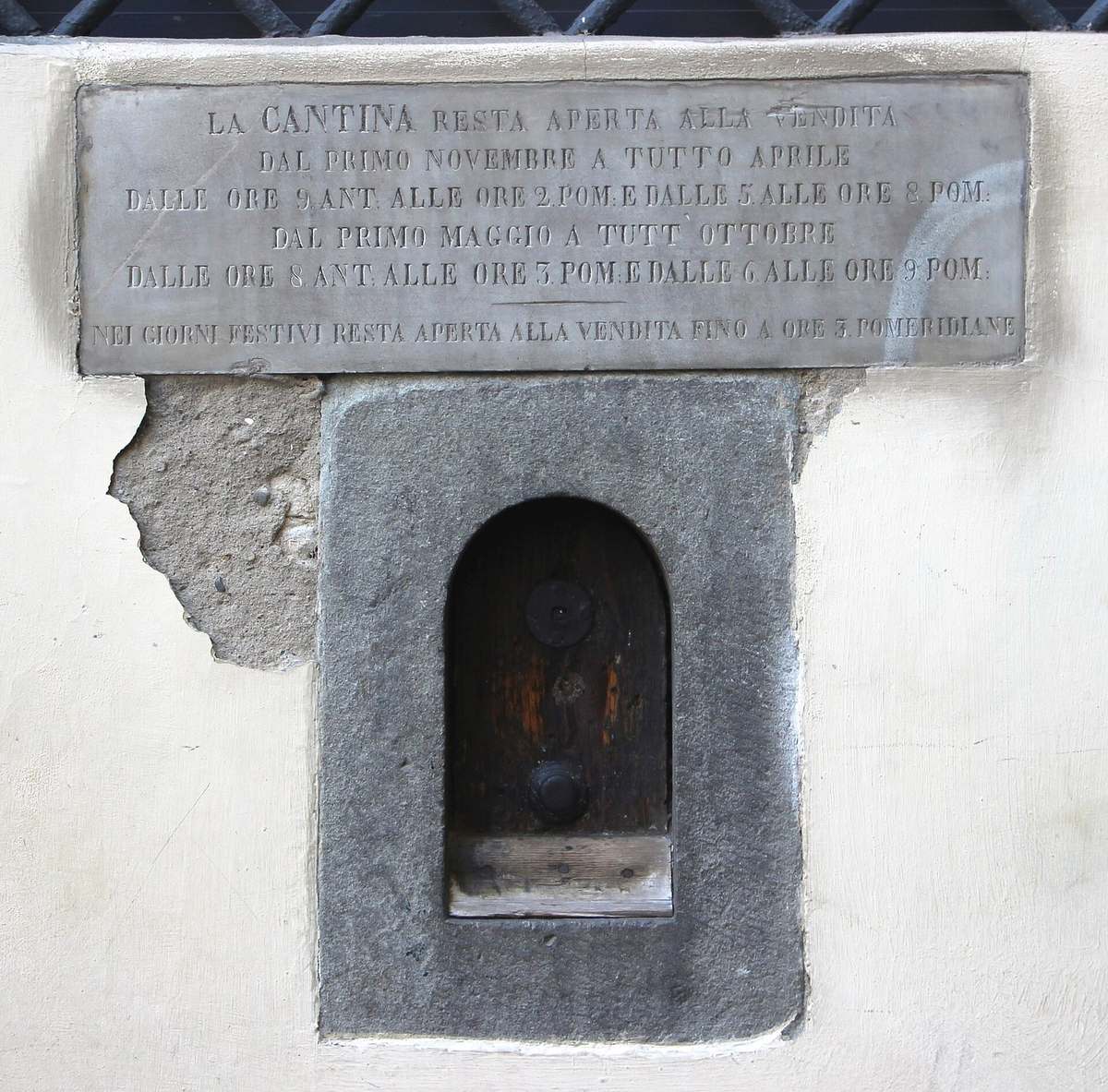
A buchetta del vino on Via delle Belle Donne Photo: Francesco Bini, Wikimedia Commons (CC BY-SA 4.0) 4 Wine Windows (Buchette del Vino)
Duomo & Centro
The small arched openings set into the walls of many palaces in the historic center are buchette del vino, wine windows dating from around the 17th century, when aristocratic families that had shifted their wealth into farm estates began selling their wine by the flask directly to the street. Read the full guide to Wine Windows (Buchette del Vino) →
-
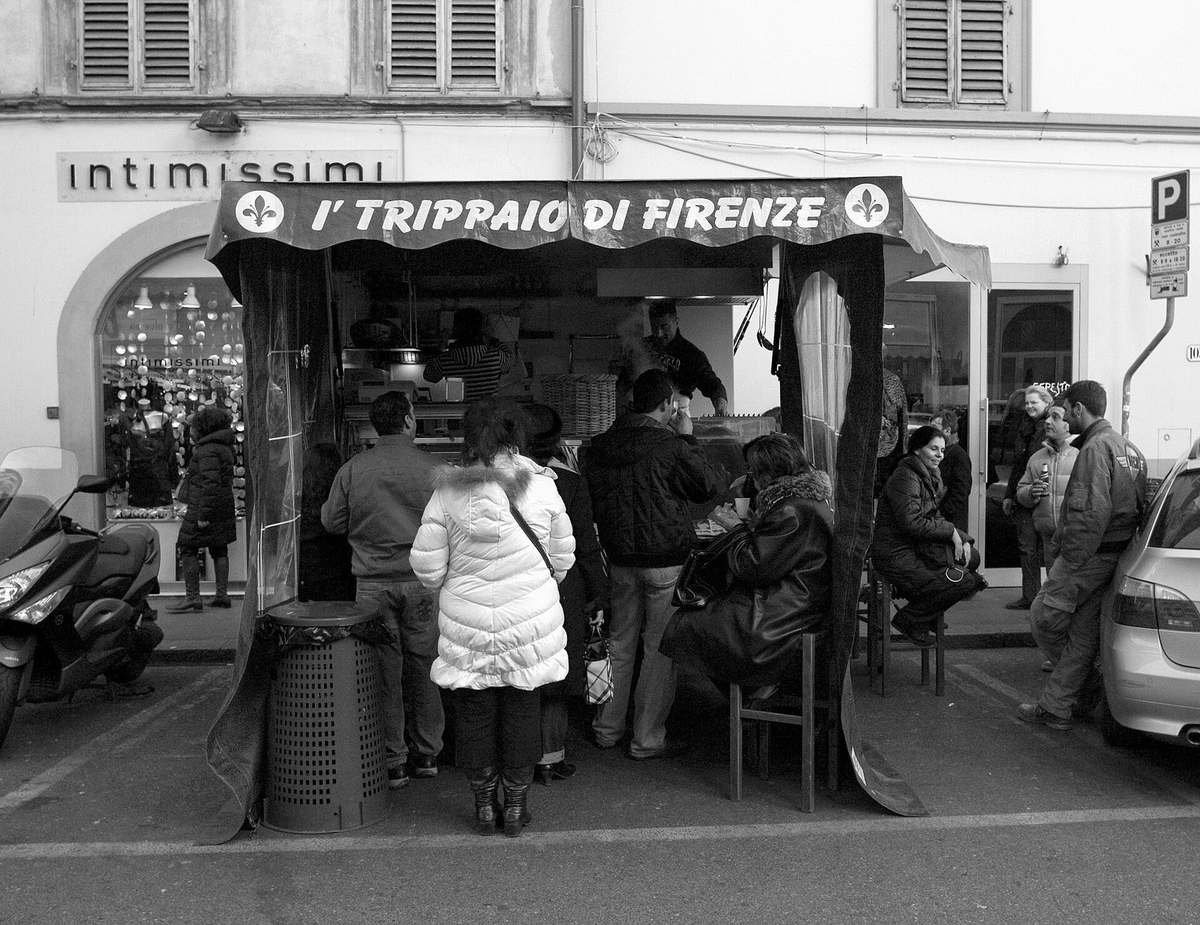
A lampredotto and tripe kiosk in central Florence Photo: Fabio Venni, Wikimedia Commons (CC BY-SA 2.0) 5 Lampredotto Kiosks
Duomo & Centro
Lampredotto is the abomasum, the fourth stomach of a cow, named for its resemblance to the mouth of the lamprey that once swam in the Arno. Read the full guide to Lampredotto Kiosks →
-
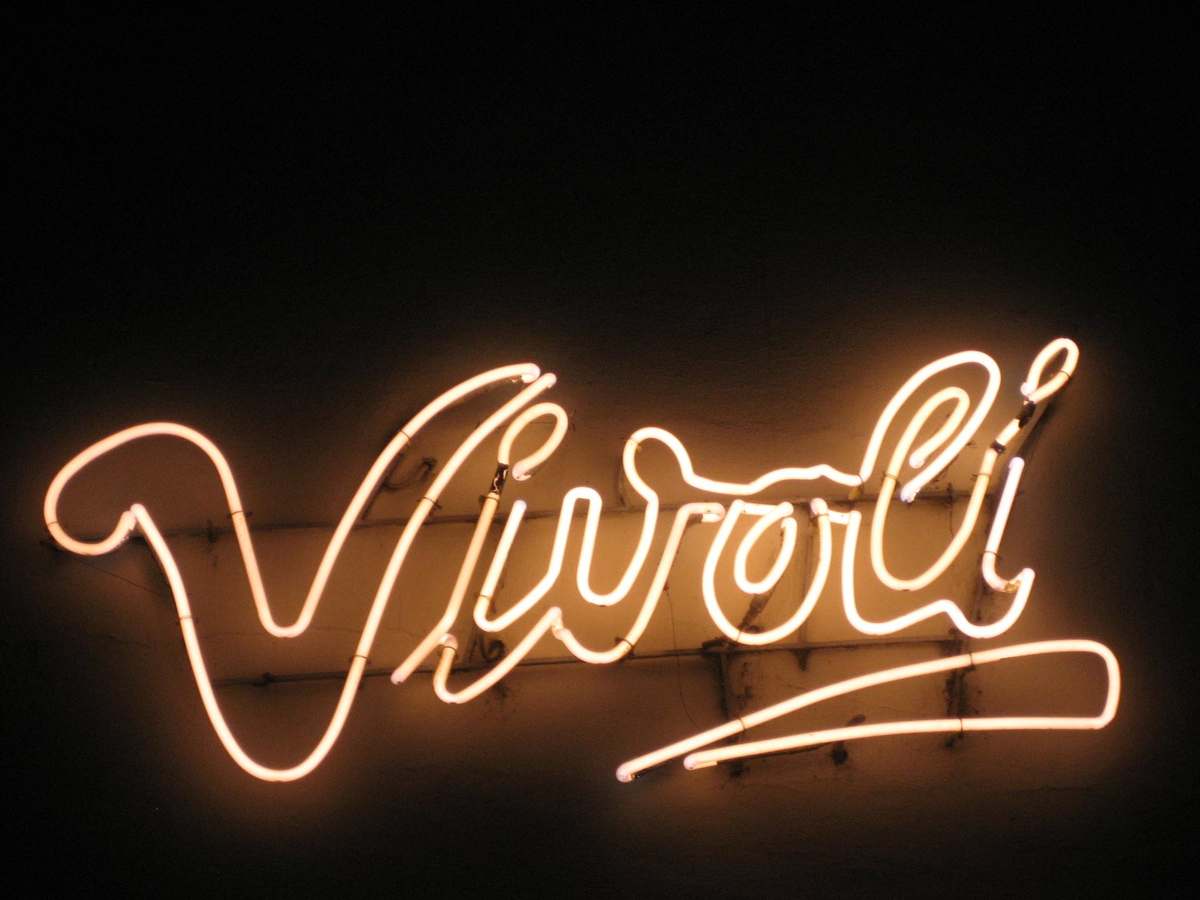
The neon sign of Gelateria Vivoli, near Santa Croce Photo: Jeffrey Schwartz, Wikimedia Commons (CC BY 2.0) 6 Vivoli (Gelateria Vivoli)
Santa Croce
Vivoli started in 1929 as a dairy run by the family of Serafino Vivoli, from Pelago, selling milk, coffee and cream; in 1932 his brother Raffaello began making gelato, at a time when ice still arrived daily from the Apennines. Read the full guide to Vivoli (Gelateria Vivoli) →
-
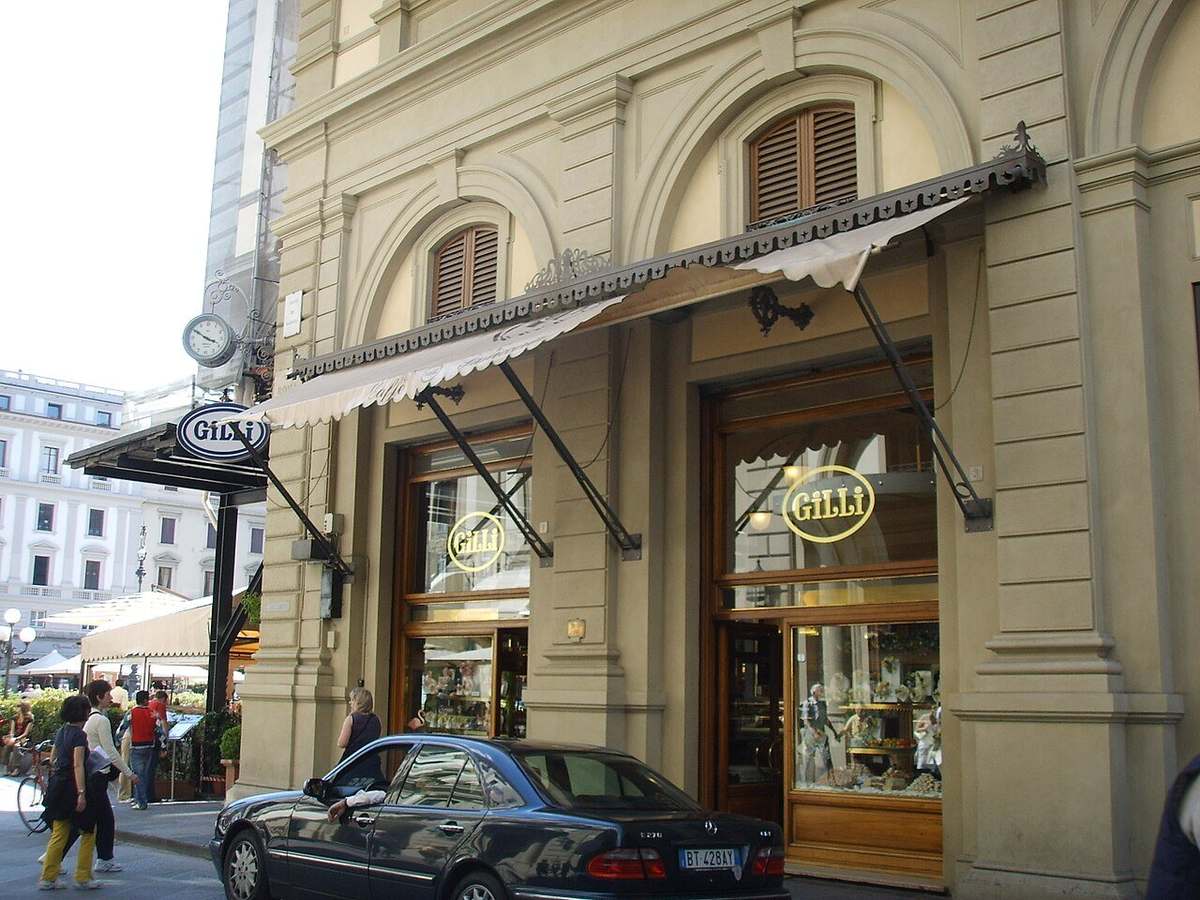
Caffè Gilli on Piazza della Repubblica Photo: sailko, Wikimedia Commons (CC BY 2.5) 7 Caffè Gilli
Duomo & Centro
In 1733 the Swiss Gilli family opened a confectioner's shop, the Bottega dei Pani Dolci, on Via dei Calzaiuoli; after Piazza della Repubblica was created, the business moved and reached its present corner with Via Roma by the 1910s. Read the full guide to Caffè Gilli →


